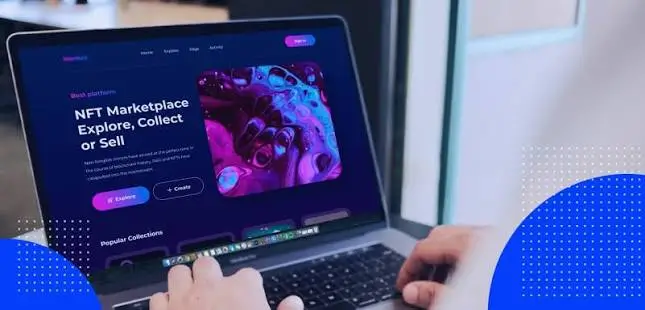

NFT marketplaces enable minting, listing, bidding, and transferring assets on blockchains, combining standards, on-chain metadata, and provenance with governance-driven rules. They manage royalties, platform fees, and gas considerations while navigating payments, audits, and security. The landscape hinges on data transparency, onboarding, and dispute mechanisms, all supported by APIs and scalable governance. With liquidity and compliance in balance, the ongoing viability of a marketplace depends on adaptable pricing, trust signals, and regulatory readiness—prompting further scrutiny into operational choices.
Minting, Listing, and Bidding: A Practical Startup Guide
Minting, listing, and bidding form the core workflow for NFT marketplaces, each step tightly coupled to token standards, on-chain metadata, and marketplace rules.
The analysis emphasizes minting best practices, governance-aware token creation, and provenance tracking.
Listing workflows optimize visibility and pricing signals, while standardized metadata enhances interoperability.
Decision makers evaluate risk, latency, and fees, ensuring scalable, compliant deployment within evolving regulatory and technical ecosystems.
How NFTs Pay: Royalties, Payments, and Gas Explained
This section analyzes how NFT transactions generate and distribute value, focusing on royalties, payment mechanics, and gas costs.
Revenues flow through creator royalties and platform cuts, with royalties mechanics shaping ongoing income.
Payment rails vary by chain and wallet, while gas fees fluctuate with network activity, impacting final price.
Transparency, efficiency, and market maturity influence adoption and liquidity.
See also: healthsciencesforum
Security, Compliance, and Best Practices for People on Marketplaces
Security, compliance, and best practices on marketplaces encompass governance frameworks, risk controls, and user behavior guidance that collectively reduce fraud and liability. The analysis emphasizes ongoing security audits and formal compliance frameworks to quantify risk, verify controls, and sustain transparency.
In a freedom-oriented context, operators deploy data-driven monitoring, incident response, and education to deter abuse while preserving trust and access for diverse participants.
Choosing and Comparing NFT Marketplaces: What to Look For
When evaluating NFT marketplaces, buyers and sellers should foreground platform mechanics, governance, and cost structures to compare how each operates in practice.
The analysis emphasizes marketplace fees, fee schedules, and creator royalties, plus governance transparency and dispute resolution.
Attention to user onboarding, verification friction, and API access reveals integration ease, data portability, and long-term liquidity, guiding informed, freedom-oriented marketplace selection.
Conclusion
In the NFT marketplace ecosystem, success hinges on transparent provenance, robust governance, and cost-efficient settlement. Data-driven pricing, reliable royalty enforcement, and scalable security controls shape ongoing value for creators, platforms, and collectors alike. Like a well-calibrated engine, transparent metadata, auditable audits, and interoperable standards reduce friction and risk, fueling liquidity. As networks evolve and regulators sharpen oversight, disciplined governance and open APIs will determine which marketplaces endure and which drift into obsolescence. The verdict hinges on trust, efficiency, and adaptability.