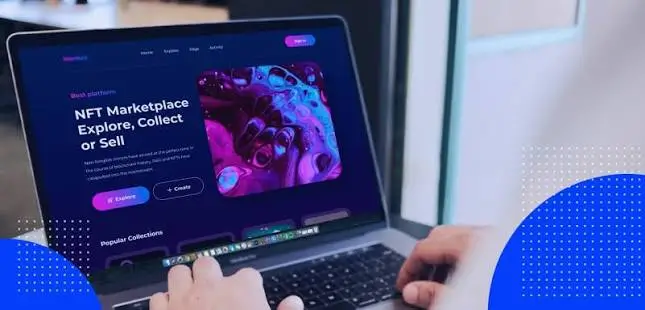

NFTs in blockchain gaming encode verifiable ownership and provenance of in-game assets. They enable secure transfer, rarity signaling, and modularity across titles through interoperable standards and smart contracts. Wallet-secured exchanges and transparent royalties incentivize creators while supporting sustainable economies. Governance, security audits, and provenance checks underpin trust. Play-to-earn models reward participation and composable assets enable cross-chain interoperability. As ecosystems evolve, players face new opportunities and risks that demand careful scrutiny.
NFT Fundamentals in Blockchain Games
NFTs (non-fungible tokens) are unique digital assets that encode ownership and provenance on a blockchain, enabling verifiable rarity and transferability within blockchain games.
The fundamentals cover identity, provenance, and scarcity, enabling secure asset exchanges.
NFT marketplaces, smart contracts, wallets, and interoperability underpin these systems, providing verifiable trust and automated execution while preserving player autonomy and programmatic asset management across ecosystems.
Marketplace standards, Interoperability protocols.
Ownership and Transfer Mechanics for In-Game NFTs
Ownership and transfer mechanics define who holds legal and practical control over in-game NFTs and how those assets move between players, platforms, and game economies.
The discussion centers on how ownership is enforced, transfer mechanics across wallets and marketplaces, and the implications for in game NFT fungibility.
Clarity ensures freedom without compromising security, interoperability, or verifiable provenance.
See also: healthsciencesforum.net
NFT Utility in Gameplay, Economy, and Royalties
How do non-fungible tokens (NFTs) shape gameplay mechanics, the in-game economy, and rights to royalties? NFTs enable modular assets, tradable boosts, and verifiable ownership within ecosystems. Play to Earn models reward participation, while transparent royalty streams benefit creators. Cross Game transfers enable asset portability, sustaining economic activity across titles without locking players into a single world.
Risks, Standards, and Best Practices for NFT Gaming
The risks, standards, and best practices surrounding NFT gaming require a structured evaluation of security, interoperability, and governance.
Effective risk management emphasizes transparent provenance, secure wallets, and robust smart contracts.
Governance frameworks should balance innovation and consumer protection.
For game economies and cross chain interoperability, standards enable composable assets, while best practices prioritize audits, documentation, and user education to sustain resilient ecosystems.
Conclusion
In the evolving landscape of blockchain gaming, NFTs anchor ownership, transfer, and true asset provenance, enabling interoperable economies across titles. The ledgered history and modular assets empower players while incentivizing creators through transparent royalties. Yet risk, standards gaps, and security considerations temper enthusiasm. Meticulous governance and rigorous auditing are essential to sustain trust. Ultimately, NFTs paint a future where digital assets are tangible, portable, and reusable—like coins of a continually expanding virtual realm, glimmering with practical potential. The horizon glows with promise.